A spacecraft that finds itself.
Two identical open-source CubeSats built by students at Carnegie Mellon and Instituto Superior Técnico, designed to tackle the lost-in-space problem for small spacecraft.
The problem
Lost in space
Small spacecraft often depend on GNSS or ground tracking to know where they are. But GNSS adds cost, power, and integration complexity, while ground tracking depends on external infrastructure and operations.
Argus asks a different question: what if a CubeSat could recover its orbit and attitude by looking at Earth?
The payload
Argus captures Earth images onboard.
The spacecraft uses visual observations of Earth to generate landmark bearing measurements.
- 01Earth image
- 02Region classification
- 03Landmark detection
- 04Bearing measurement
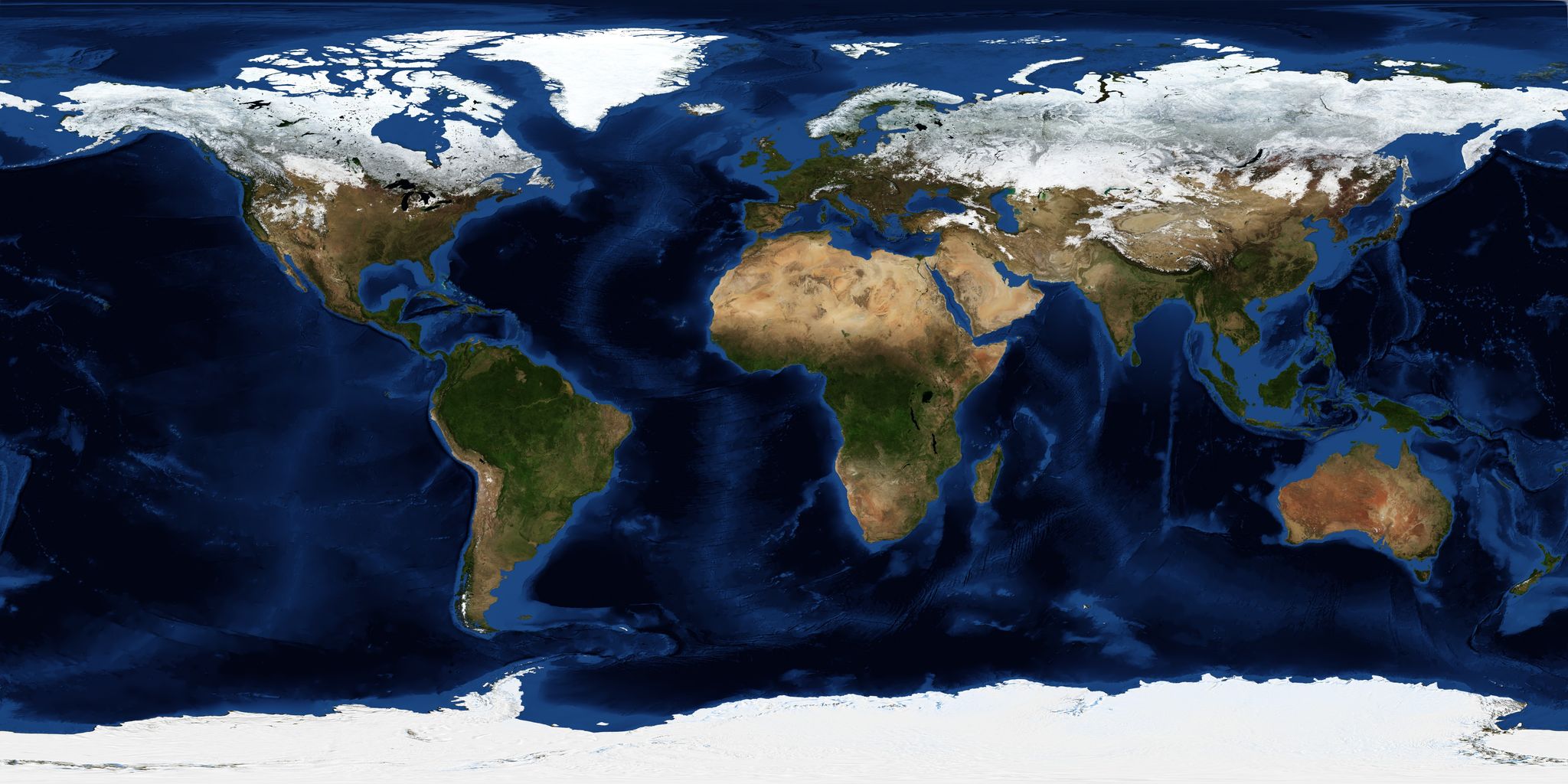
The payload turns images into geometry.
A region classifier narrows down where the spacecraft is looking. A landmark detector finds visual features. Those detections become bearing measurements that can be used for orbit and attitude estimation.
- 1
Earth image
Raw frame captured onboard
- 2
Region classification
RCNet narrows the view to a salient region
- 3
Landmark detection
LDNet pinpoints ground features
- 4
Bearing vectors
Detections become spacecraft-to-landmark bearings
- 5
Measurement packet
Geometry ready for the estimator
Sensor fusion
Argus combines what it sees with what it feels.
Landmark bearings from onboard images are fused with inertial measurements through a batch nonlinear least squares estimator to recover orbit and attitude.
Validation
A GNSS receiver flies only as the truth reference.
Argus compares its vision-based solution against onboard GNSS to evaluate estimation accuracy in orbit.
- GNSS reference
- Argus visual estimate
residual ↓ converging
The fleet
Two identical Arguses. One open mission architecture.
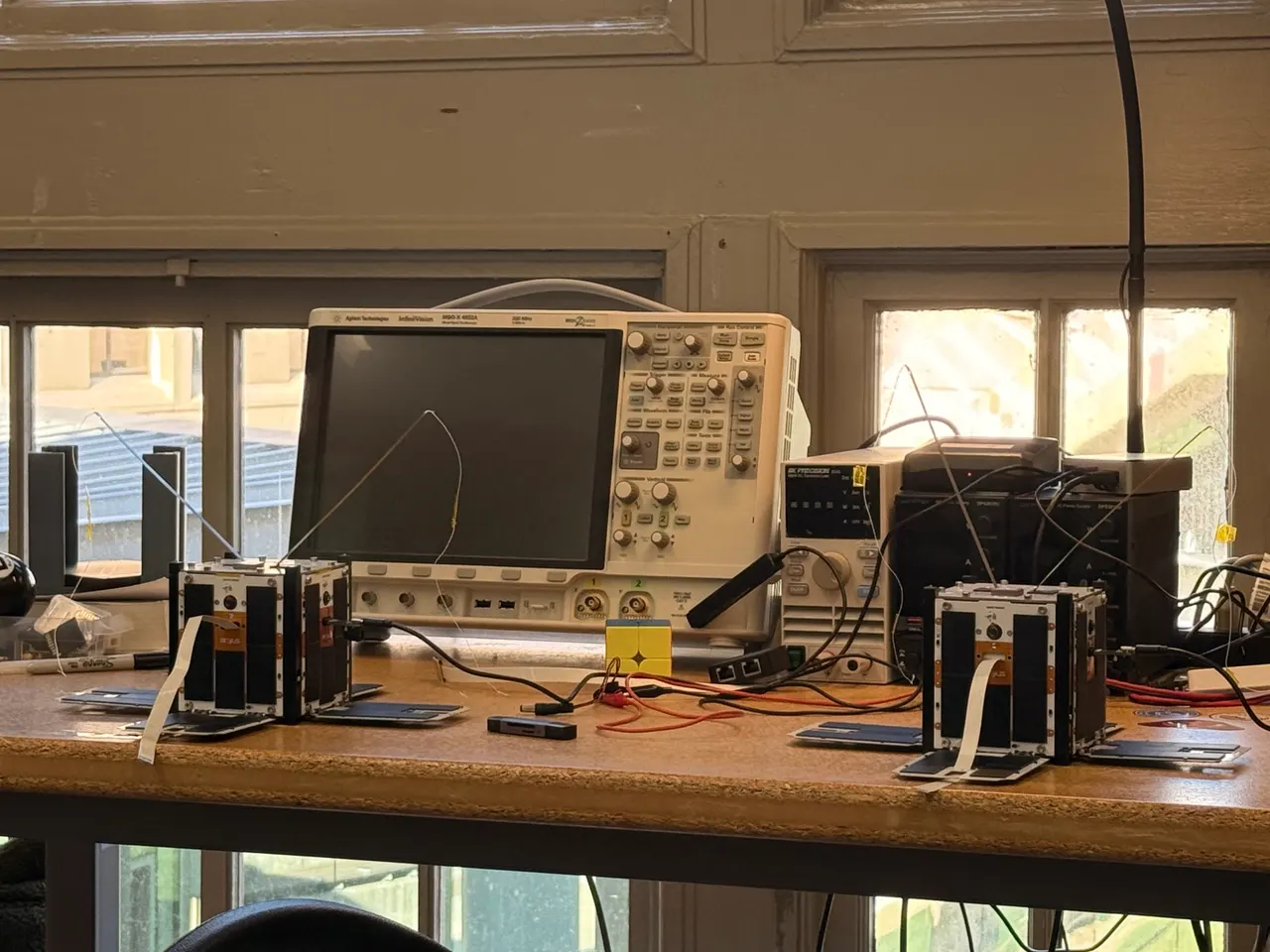
Flying two spacecraft gives the mission more opportunities for data collection, validation, operations practice, and community engagement.
Two more experiments ride along.
Doppler-based ground OD
Ground stations receive GMSK signals and study how SNR, bandwidth, and duty cycle affect orbit determination precision.
Amateur radio packet repeater
Argus will support an amateur packet repeater as operational constraints allow.
Every gram engineered in-house.
Scroll to open the spacecraft. ↓
The build
Built in-house, end to end.
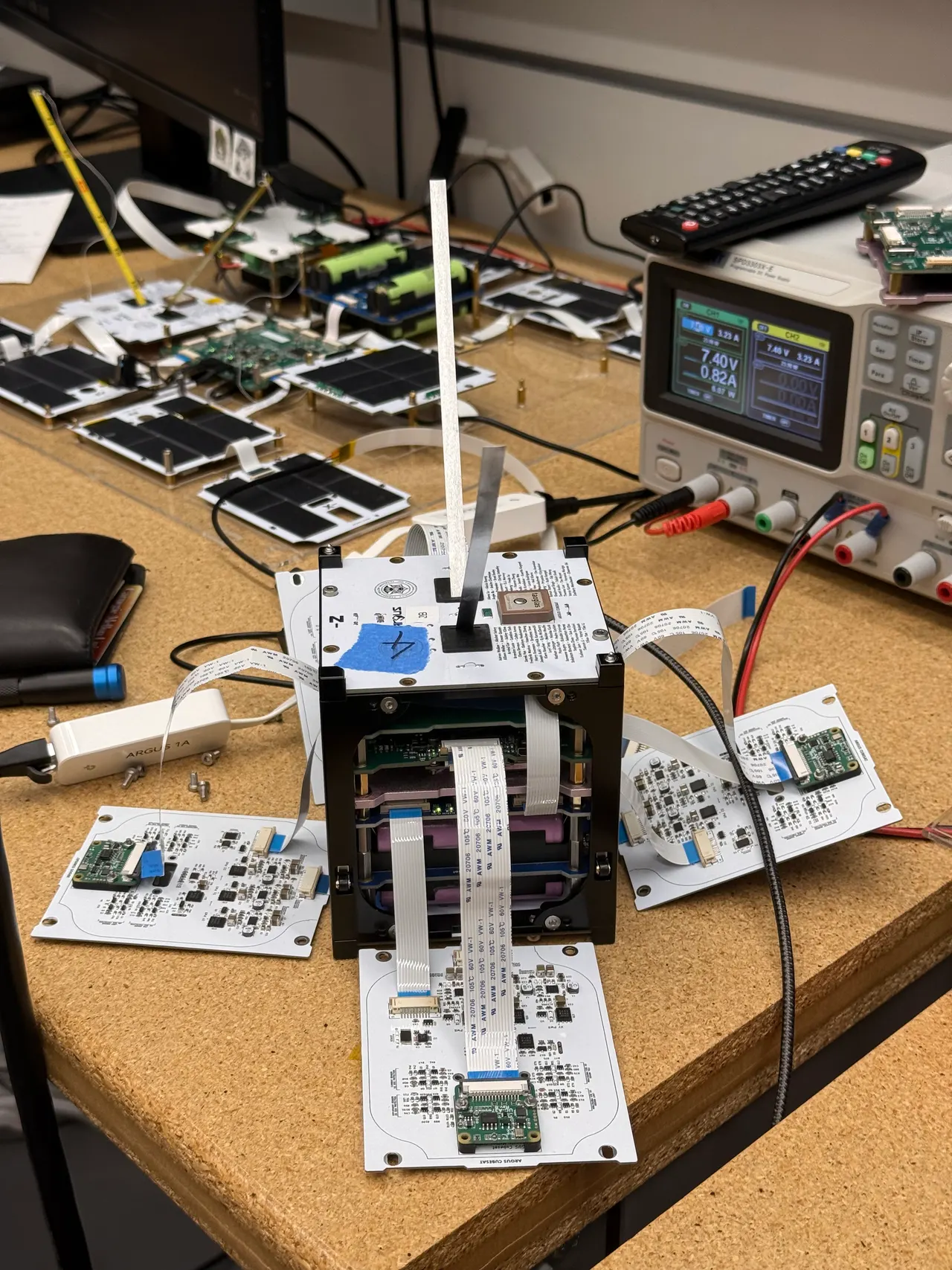
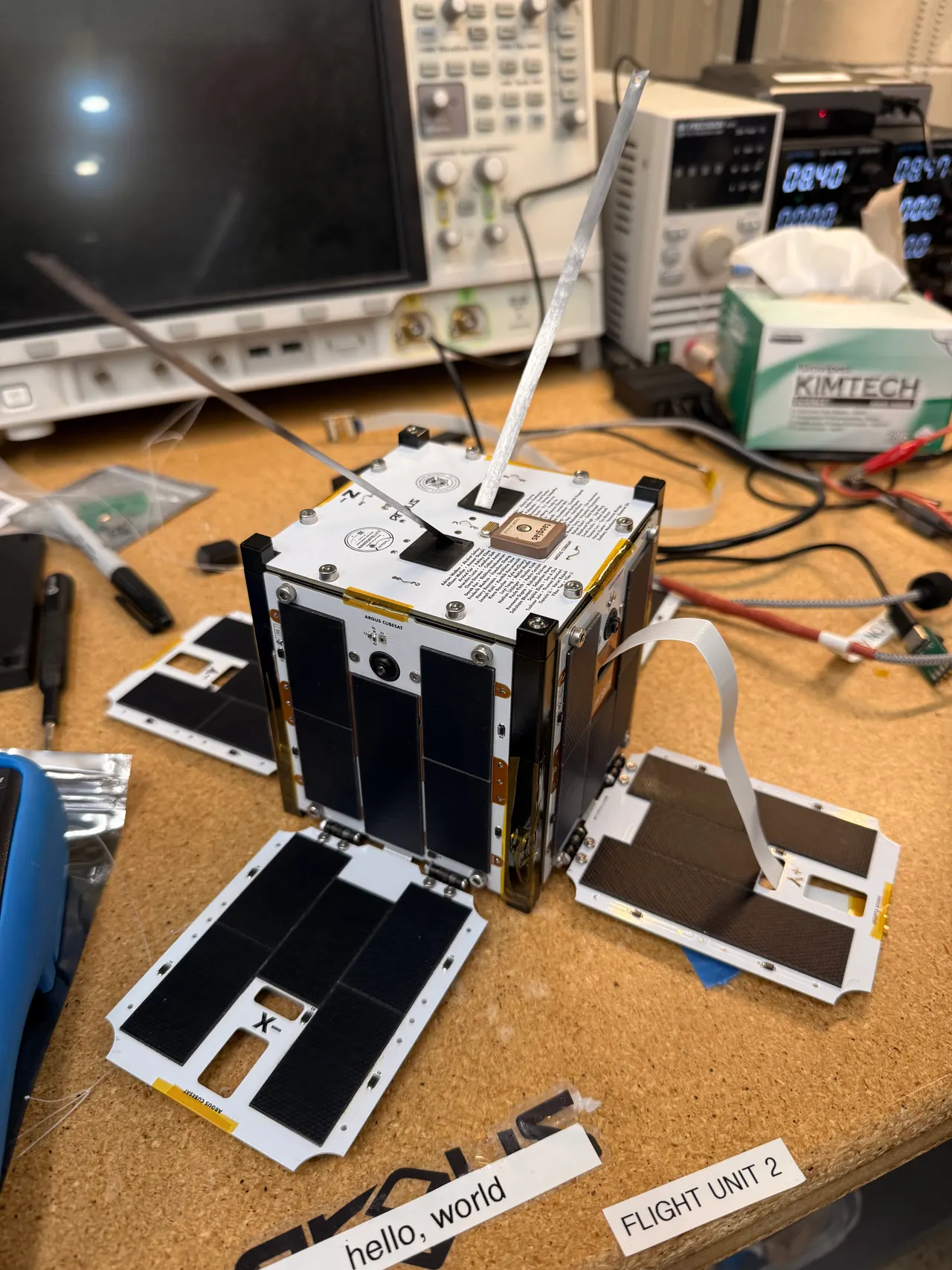
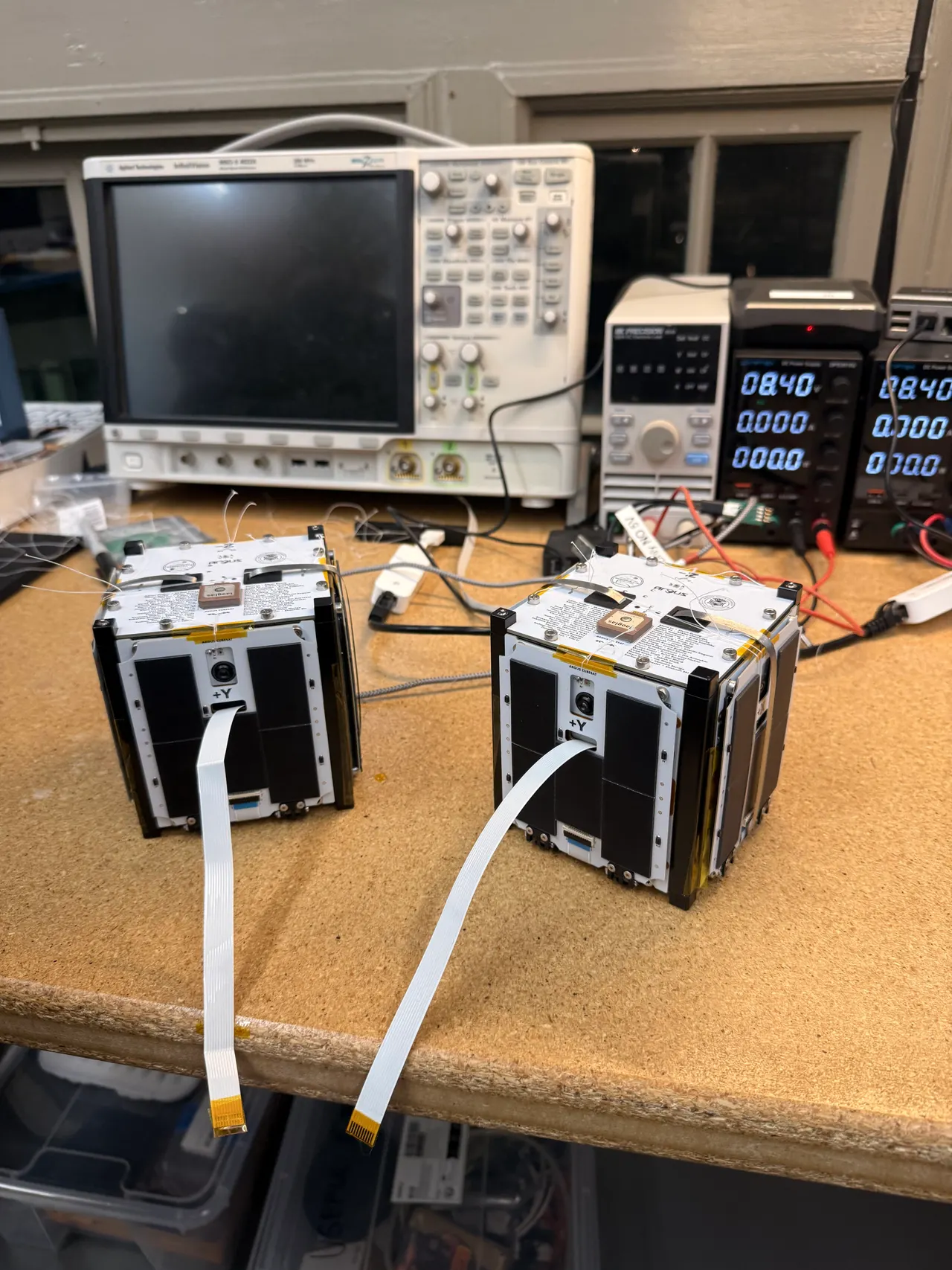
Electronics, flight software, payload, communications, integration, and operations are developed by the Argus team using commercial off-the-shelf components wherever possible.
Open source
Every subsystem. Every lesson. Open.
Argus is designed as an open-source spacecraft mission so future student teams can learn from the full stack: hardware, software, payload, operations, and failures.
9 repositories
Flight software, ground segment, hardware and more — the whole stack, in the open.
Explore all repositories →
Updates
Mission log
Argus at OpenSauce
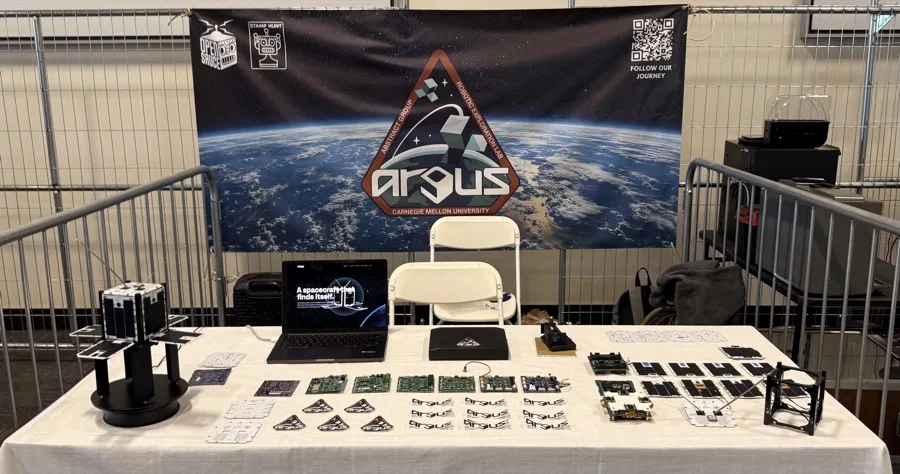
We exhibited at OpenSauce, showing off the development of Argus alongside a live engineering build — and got to meet some incredible people, including Hank Green, Michael Reeves, Joe Barnard (BPS.SPACE), Scott Manley, and Tim Dodd (The Everyday Astronaut).
Full-system testing campaign

Both spacecraft ran through power characterization and full functional testing, including attitude-control runs inside a Helmholtz cage.
Pre-launch vibration testing in the deployer pod
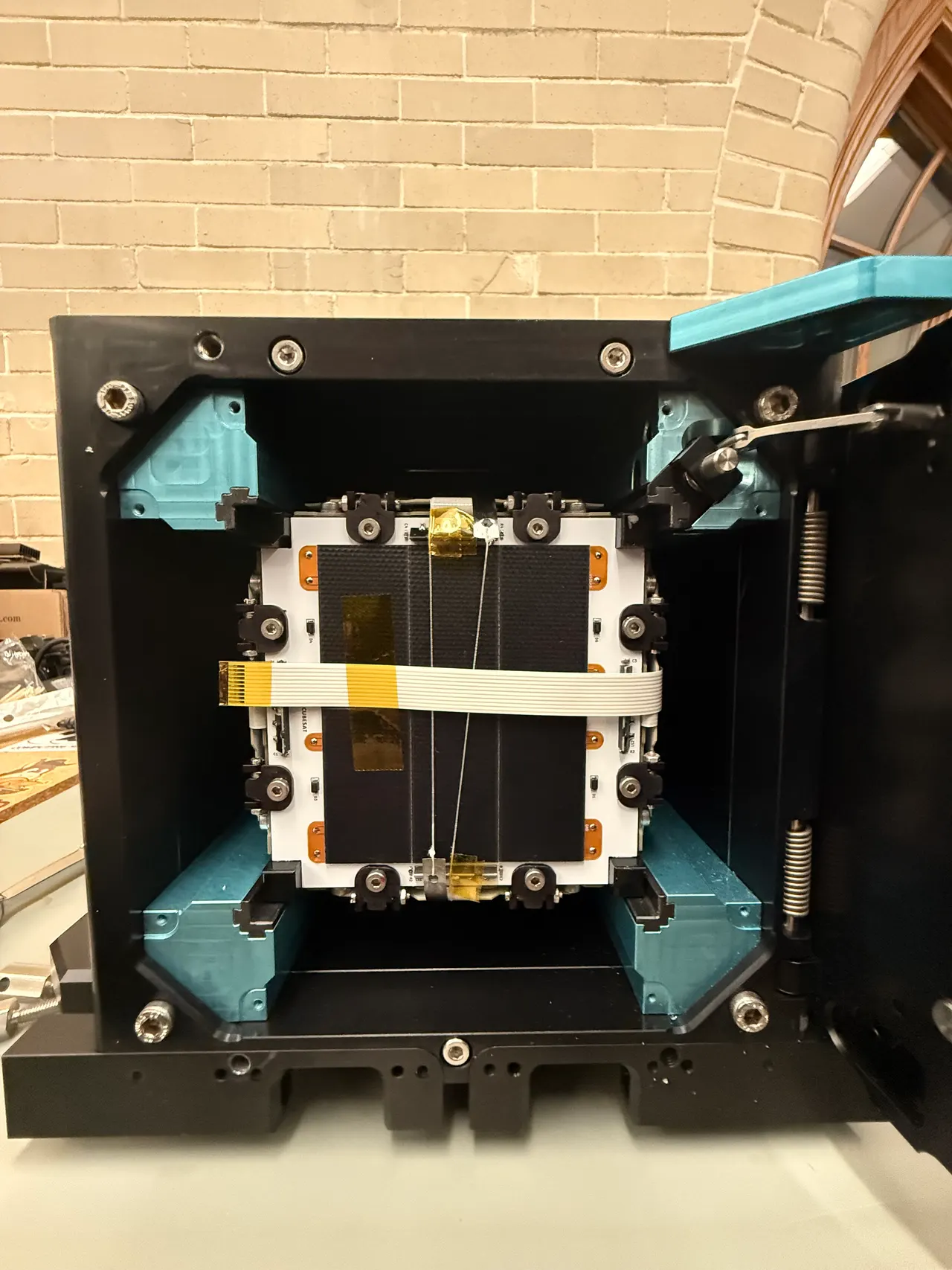
Argus completed vibration testing in its deployer pod, verifying the stowed configuration survives launch loads before final integration.